All your holiday planning needs in one place, letting you book direct and benefit from official online rates
Manacor, Mallorca - A Guide to Sights and area
Manacor is Mallorca’s second largest city and municipality. As in any other major city, you will find a wealth of activities, cultural happenings and lively bar and restaurant life.
- This is where I want to go!

What to expect in Manacor
Manacor is a place with several faces; on one hand you have the developed coastal towns of Cales de Mallorca, Porto Cristo, Cala Millor, Sa Coma and s’Illot. In Manacor town you can expect to meet a lot of shops, eateries, galleries and beautiful architecture.
Best things to do in Manacor
Manacor is the second largest city and municipality of Mallorca, yet widely unknown by most tourists. Manacor is a great place to do sports, there are all kinds of landscapes perfect for numerous activities like cycling, walking, sailing.
ESGLESIA NOSTRA SENYORA DELS DOLORS
The parish church of Our Lady of Sorrows is undoubtedly the most eye-catching construction in Manacor with its unique bell tower rising high above the rooftops of the town from its central location.
CUEVAS DEL DRACH
Cuevas del Drach (Dragon Caves) is an impressive tourist attraction for both young and adults. Descent via the stairway into the underground caves where millions of years of nature’s own creations awaits you. At the bottom of the caves you will find Europe’s largest underground lake where an orchestra will perform a concert for you before you are taken for a small cruise on the lake.Visit the famous Cuevas del Drach caves
WINE TASTING AT BODEGA SON SUREDA RIC
Visit the charming winery Bodega Son Sureda Ric for an authentic and interesting wine experience. At the finca, you will get an indulging tour through the history of this winery, as well as learn about the process and production of the fruity wines.
RENT A BIKE AND GO CYCLING
Manacor is a fairly large municipality, with great variety in the landscape. Here you will find beautiful coastlines, hilly terrain, mountains and quiet country roads, in short, something for everyone. Moreover, Mallorca’s only Ruta Verde starts from Manacor and ends in beautiful Artà, a magnificent trip.
CHURCH AND CLOISTER OF SANT VICENC FERRER
Vicenc Ferrer had a major impact on the Spanish congregation, including the Mallorcan. The beautiful cloister of the old convent, which is now transformed to public library, has been categorized as a national monument and definitely worth seeing.Visit the Sant Vicenc Ferrer convent and church
TORRE DELS ENAGISTES / HISTORY MUSEUM OF MANACOR
Visit the old medieval fortress and historical museum of Manacor, Torre dels Enagistes for an interesting journey through the municipal history. Fascinating exhibitions tell the stories of how life has been in the area all the way back from the prehistory of the island.
MAJORICA PEARLS
Majorica is a world-famous luxury brand that makes artificial pearls. The Manacor based company has received great international recognition for its high quality and lush design of pearl jewelry. Come visit Majorica and discover the world of pearls.
TALAYOTIC SETTLEMENT OF S’HOSPITALET VELL
Visit the amazing excavation site of s’Hospitalet Vell, a prehistoric village of megalithic constructions. Info boards on the site will guide you through the village and explain about the life of these people who occupied the area in the Bronze Age.
BASILICA DE SON PERETO
The excavation site of Son Pereto shows a paleo-Christian basilica that was built by the first Christian community that arrived in Mallorca after the Byzantine re-conquest. You can clearly see the outline of the construction, the baptistery and the graves. On site, info-boards will guide you through the site and explain about this interesting find.
HEAD OUT TO THE SHORES
Just because you’re not quite at the coast, doesn’t mean you can’t enjoy the beaches of Mallorca. Just 10 kilometers from Manacor town, you will find a string of small and medium-sized golden beaches and bays, perfect for both relaxation, swimming, sailing etc.
IMAGE GALLERY
Enjoy some beautiful pictures from Manacor
Book your trip
FAQ
All year-round. During the summertime, the developed coastal areas of Porto Cristo, Cales de Mallorca, Cala Millor, Sa Come and s’Illot are popular destinations. During the winter, Manacor is a mecca of sports enthusiasts.
Manacor town is the second largest on the island, and therefore never closed.
You have a wide array of beaches to choose from, all about 10-15 kilometers (8 miles) from Manacor town.
Manacor is known for its furniture manufacturing that has been a predominant industry in the area for centuries. Moreover, Manacor is known for its production of artificial pearls, made by Majorica.
Yes, Manacor is safe to visit. As with any place, you should always keep your personal belongings close to you. But theft is rarely seen here.
Events in Manacor

Weekly market in Manacor
The weekly market in Manacor is held every Monday morning in the heart of the city, at Plaça Ramon Llull.
There is also a daily fruit and vegetable market held in Plaça Constitució from Monday to Saturday.
Annual events and happenings
January
Sant Antoni Abat
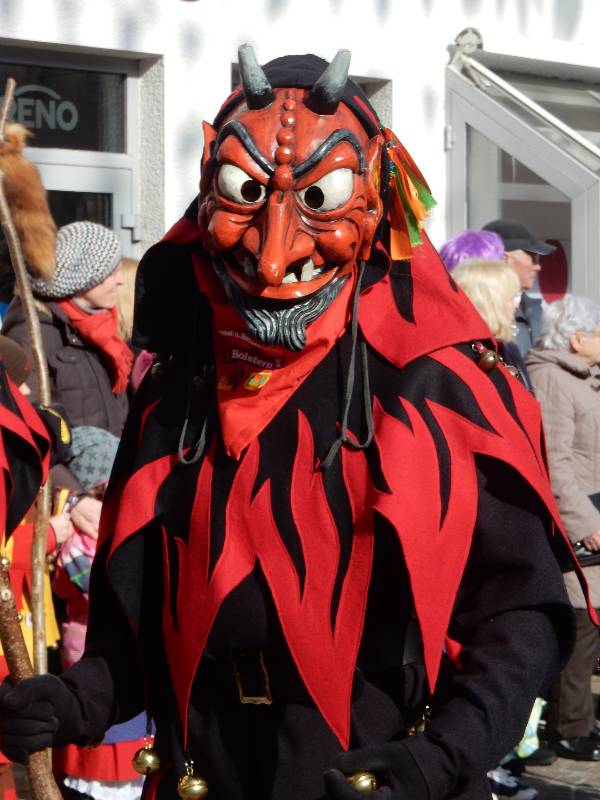
Sant Antoni Abat is one of the most beloved festivities among the inhabitants of Manacor. Sant Antoni Abat is a great chance for you to experience some typical Mallorcan tradition and culture firsthand, as you will see dancing demons, fire runs and bonfires all over town. You can also look forward to traditional dances, musical performances, as well as the blessings of animals by the church as Sant Antoni Abat is the protector of animals.
March
Used Vehicle Fair
Every year at the end of March, Manacor holds a fair dedicated to pre-owned vehicles. If you are a fan of cars or other motorized vehicles, or perhaps looking to move to Mallorca and buy yourself a car, then come enjoy this fair with around 500 vehicles exhibited. At the fair there will also be a range of fun activities, servings and performances to enjoy.
Support Local
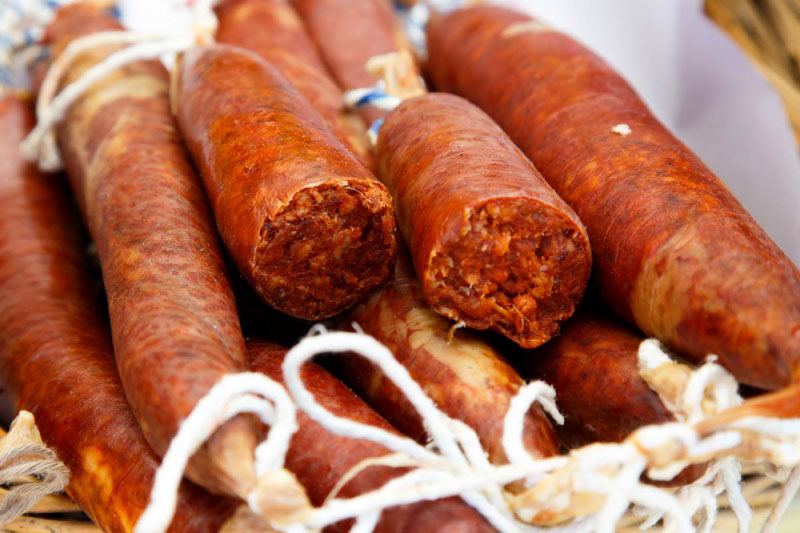
Supporting local communities during your travels can have a profound impact. Stock up with groceries locally, stop in an artisan shop or enjoy a refreshment at a restaurant or bar. Now more than ever, these small businesses need support from travelers near and far.
Get to know Manacor
Manacor is a municipality in Mallorca comprising the town itself, the holiday destination of Porto Cristo, Sa Marina, Son Macià, s’Illot, Cala Morlanda, Cala Romantica, Cala Mendia, Cales de Mallorca and Cala Murada. Manacor is the second most important industrial center in Mallorca, mostly renown for the Majorica pearl factory and the furniture business, which are the most exported products of the area.
History of Manacor
The prehistory and Talayotic culture
The Roman and Byzantine period
The Islamic period
The Reconquista
The foundation of the town
Revolta Forana
The 16th to 18th century
Sa Llorençada and the agricultural upswing of the 19th century
The 20th century
Prehistory and Talayotic culture
The first signs of human occupation within the current municipality borders of Manacor dates from around 2,000 BC. From these early days, the sites of cova de s’Homonet Vell, Mitjà de ses Beies and sa Ferradura are the most interesting, as they were presumably used for funerary purposes. Other interesting sites to have a close look at, are those of s’Hospitalet Vell and Sa Marineta, both grouped constructions.
From around 1,200 BC, the Talayotic culture arrived in Mallorca and Menorca, presumably inspired by arrivals from the eastern or southern parts of the Mediterranean. It is likely that the people of the Talayotic culture consisted of a mix of Phoenicians, Etruscans, Greeks and indigenous people. The people from the east were exploring new opportunities in the Mediterranean district, looking for places to settle, markets for trading and to find materials such as metals which the western Europe was rich of. Around 575 BC, Phocean people (ancient Greek colony located in current day Foça, Turkey) had control of much of current day Catalonia and southern France, a territory they kept until the 3rd century BC when it was conquered by the Romans. One of the best examples of this, is seen in the ruins of Empúries, a city that was trading with the Balearic Islands.
Practical Info
Useful Numbers
Emergency: 112
National police: 091
Local police: 092
Guarda civil: 062
Fire: 080
Maritime emergencies: 900 202 202
Tourist Office: +34 971 82 95 95
Public Transport
Bus lines: 411, 412, 414d, 416, 417
Train lines: T3
Power Supply
220V