All your holiday planning needs in one place, letting you book direct and benefit from official online rates
Campos, Mallorca, Things to do and see, hotels, market
Campos is a typical agricultural area where rural charm and traditions fills the atmosphere everywhere you turn. The area carries a long and rich cultural heritage evidenced in the many landmarks, the religious constructions and the annual fairs held in the town.
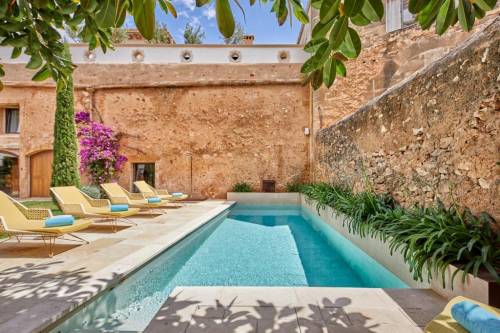
Campos has gradually become a more popular holiday base due to the many luxury finca hotels and agroturismos (farms) that allows for full relaxation and serenity in charming and tranquil settings.
- This is where I want to go!
Why visit Campos?
Is Campos worth visiting?
Yes, Campos is very much worth visiting, and quite frankly, one of the best places to stay if you’re looking to be spoiled in authentic settings.
What is Campos famous for?
Campos is a traditional agricultural area, yet a pioneer that turned the area into one of the wealthiest back in the 19th and 20th century. Campos is famous for:
- Milk
- Meat
- Es Trenc beach
You may wonder why milk and meat are so special. But really, how many cows have you ever seen in Mallorca? Campos was a protagonist in meat and milk production and, the meat has been sought for all over Spain.
Things to do and see in Campos
Campos is rich in history and blessed with its charming countryside and stunning coastline. There are a number of things to do in Campos; sightseeing, sports and wellness. Let’s dive in …
Visit the Son Lladó Eco-Museum
Ever been curious on the agrarian lifestyle, or wondered how agriculture has developed throughout the centuries? Perhaps you have a dream of moving away from the city, or to Mallorca, to start your own sustainable production becoming self-sufficient and need a little know-how? Whatever your reason be, make sure to visit the Ecomuseu situated in the agroturismo of Son Lladó, and you will have all questions answered. The museum takes you on a journey of the Mallorcan countryside and educate you in how different types of mills work, how things were done in the past etc.
Església de Sant Julià
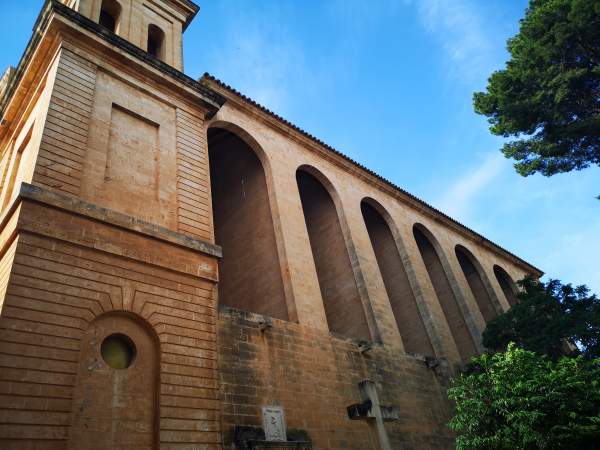
Some incredible artworks are to be found inside the Neoclassist church of Sant Julià (Saint Julian).
Spend a day at es Trenc, Mallorca’s biggest undeveloped beach
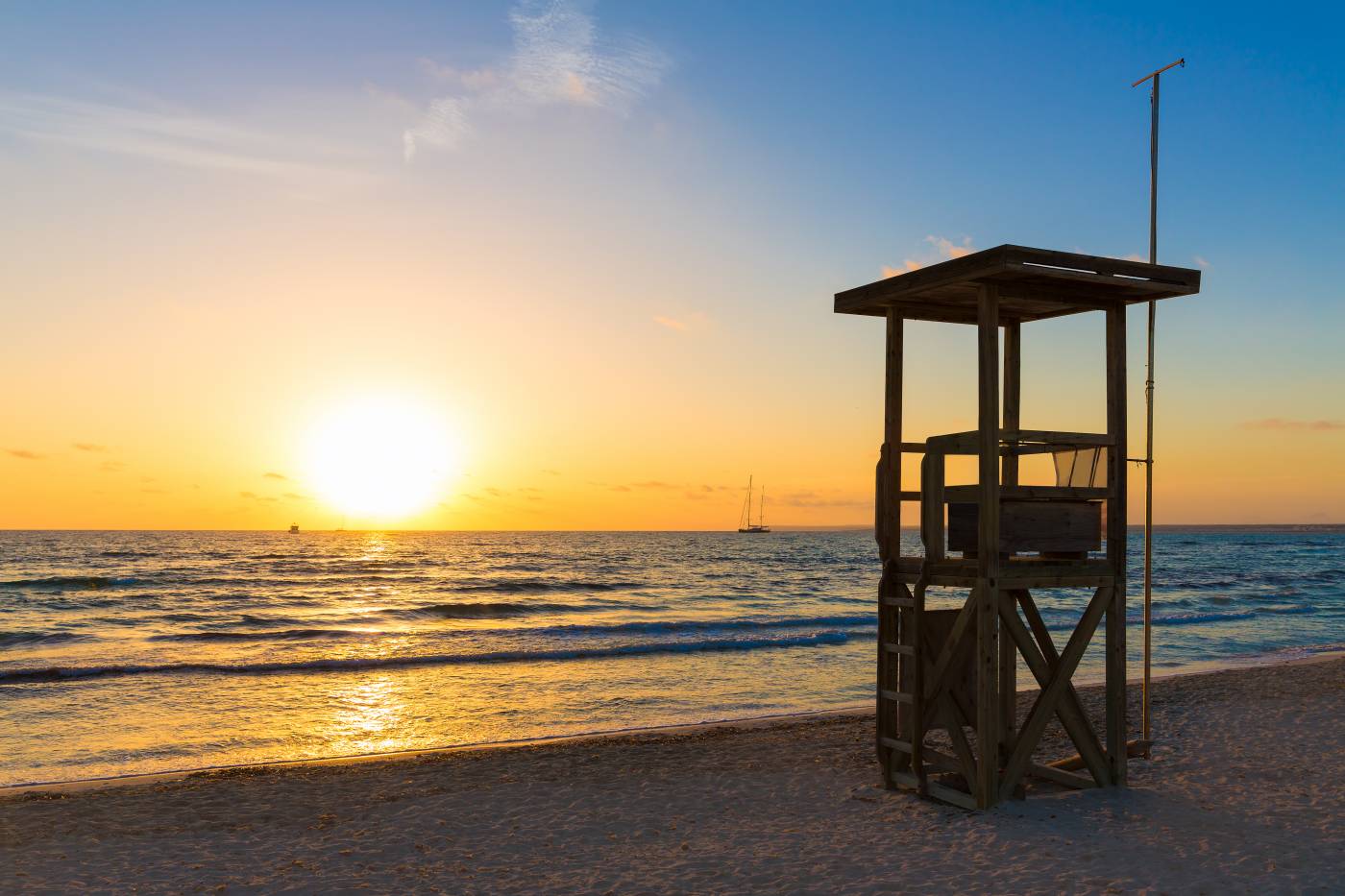
One of the most renown and undeveloped beaches on the Mallorcan coasts is actually found here in Campos, namely the beach of es Trenc. Its silky soft white duvet of sand and low crystal clear water stretches about 2km with plenty of room for sunbathing and beach activities.
Do birdwatching in the wetlands of Salobrar de Campos
The second largest wetland in Mallorca is found in the southern part of Campos, namely the es Salobrar reserve. This massive eco-system of dunes and canals is home to a wide variety of birds and other species that enjoy the great natural sources here.
Visit the ostrich farm of Artestruz
Artestruz is a family-driven ostrich farm situated not far from the beautiful es Trenc beach. On the farm you can meet and get close to these curious birds, taste ostrich eggs and even ride one. There are many fun things to do on the farm, as well as many things to learn.
Oratory of Sant Blai, a Medieval church
The small oratory of Sant Blai was the first Christan chapel to be erected in this area following the Catalan conquest of Mallorca in the early 13th century.
CYCLING IN THE COUNTRYSIDE
One of the major activities in Campos is road cycling in the huge network of rural country roads.
Book your trip
FAQ
Campos is particularly known for its milk and meat production that is sought-for in all of Spain.
The market in Campos is held on Thursdays and Saturdays.
Campos is easy to reach, it is located close to the freeway. From Palma, it should take you only about 20 minutes by car.
Campos village is located just 6 km inland from the biggest undeveloped beach in Mallorca, the es Trenc beach.
Events in Campos

Weekly market in Campos
The market in Campos is held every Thursday and Saturday in the Plaça de sa Creu. The market in Campos is a traditional farmers market offering a great selection of vegetables, fruits, meats and cheeses. Visiting the market gives you a great opportunity to not only sample some of the local specialties, but also sample the unique atmosphere and indulge in a tradition held ever since the town was founded in the early 14th century.
The Saturday market is extended to also include secondhand items, creating an even more vibrant atmosphere.
During July and August, a market is held in Sa Rapita on Wednesdays and Saturdays.
Annual events and happenings
January
Festes de Sant Julià
Sant Julià is the patron saint of Campos, and celebrated each year in the beginning of January with a great festival.
Sant Julià (Julianus Hospitator) is the patron saint of Campos, and celebrated every year in January. The festivities here are often overlooked in Mallorca, falling between Christmas, Holy Three Kings and the celebration of Antonius the Holy, all of which take place within a month.
But if you are in the area at the beginning of January, then you should head into the city and experience this traditional event on January 9. Here you can experience some very special cultural traditions, among others, dances by the dance group els Cossiers, a dance act in seven pieces that is typical of Mallorcan culture. You can also experience performances with Goig’s, poetic compositions of songs written for saints performed by choirs at religious events.
Where: Campos town
When: January 9th
May
Fira de Maig / Fira de ses vaques
If you are looking to experience true Mallorcan soul really feel the rural life of the countryside, come to Campos in May to participate in the May fair, also known as the “Cow Fair”. As the name suggests, this fair pays a special tribute to cows, one of the major sources of income in Campos. During the fair, you can browse, purchase and sample a wide range of delicacies, crafts, tools and other typical stuff of agrarian and artisan character. Shows, exhibitions, concerts are too a part of the program when spring is being celebrated. One of the highlights for the locals, is the cow milking contest, paying homage to an industry synonymous to the area, and hads made Campos one of the major export areas of milk in Spain.
Where: Campos town
When: Beginning of May
Support Local
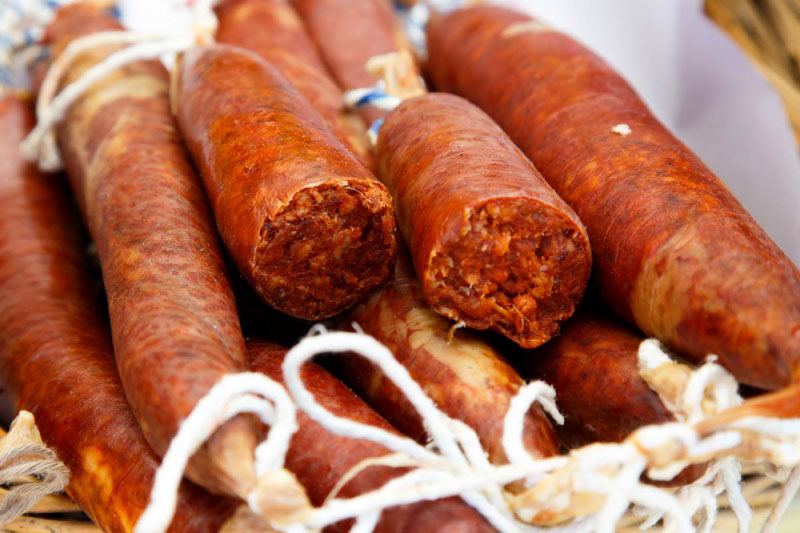
Supporting local communities during your travels can have a profound impact. Stock up with groceries locally, stop in an artisan shop or enjoy a refreshment at a restaurant or bar. Now more than ever, these small businesses need support from travelers near and far.
Get to know the Campos area and its history
Campos is a town and municipality located in the southeastern region of Mallorca called Migjorn, a region that also comprise the municipalities of Llucmajor, Ses Salines, Santanyí and Felanitx.
Campos is a tranquil and authentic oasis located between the fields of the rural countryside and the crystal clear waters of the Mediterranean. The true Mallorcan soul is present in the atmosphere, and you will not need to look far to discover the welcoming spirit of the people, the gastronomical experiences and great traditions practiced here.
Unlike most other coastal areas of the island, Campos does not have many hotels. In return, there are a number of charming fincas and agroturismos in the area completing an authentic rural holiday.
The municipality covers a surface of 14.947,55 ha whereof 1.855 of those are protected areas. As of 2018, the total population was 10.610 inhabitants divided in six areas, Campos town, Sa Rapita, Sa Rapita Dalt, Sa Vinyola, Ses Covetes and Sa Sorda.
History of Campos
In this section of the guide, we will walk you through some of the key periods and events in the history of Campos, so you will (hopefully) have a better understanding of the area when you visit.
Prehistory and Talaiotic culture
When talking about human occupation in the area, we can go as far back as 1,700 BC, back to the Bronze Age. From these very early days, the burial caves of Ses Talaies, Son Toni Amer, Morro de Son Coves and Son Xorc, dating from about 1,700 BC – 1,200 BC.
Some of the first constructions was built around 1,500 BC, the so-called “navetas”, a name they have acquired due to their keel-like shapes.
One of the most fascinating periods of the Balearic prehistory, is the Talaiotic culture. A culture that was made by a mix of indigenous peoples, ancient Greeks and Phoenicians that occurred in the late Bronze Age about 1,200 BC and lasted until the Roman conquest in 123 BC. The name of this culture was given as the word “talaia” means “watchtower” or “lookout” in Catalan, and that was the over-shining characteristic of the mindset of the people of that time, their constructions became military oriented.
Explorers and colonizers from the ancient east traveled across the Mediterranean sea in search of land and metals. It was known that the lands of current day western Europe were rich on metals and minerals. In present day Girona, Catalonia, the ancient Greeks of Phocaea (present day Foça, Turkey) founded the city of Empúries in the late 5th century. The Phoenicians too was seeking to expand their territory and enhance their trade in the Mediterranean, they were particularly after the ore found in the Iberian Pyrite Belt (stretch between northwest Portugal and Sevilla). The Phoenicians established textile factories in most of their colonies, in which they had a predilection for islands and territories close to the sea, which again proves their trading activities.
Practical Info
Useful Numbers
Emergency: 112
National police: 091
Local police: 092
Guarda civil: 062
Fire: 080
Maritime emergencies: 900 202 202
Town Hall: +34 971 169 500
Public Transport
Bus lines: 501, 515, 516, 517, 518
Power Supply
220V