All your holiday planning needs in one place, letting you book direct and benefit from official online rates
palma de mallorca sightseeing and city guide
Palma, one of Europe’s most popular cities, boasts centuries of changing cultures and vibrant life. Here you will find everything your heart desire, from latest fashion trends to exceptional architecture, fancy galleries and fantastic eateries.
- This is where I want to go!
What to expect from palma?
On several occasions, Palma has been prized as one of Europe’s most fascinating cities. It has even been said to be the greatest place to live, in the world. The city has seen many different cultural changes throughout its life span, every single one of them have left a mark in the bricks and people.
Palma is a notorious shopping mecca, that any fashion lover should have on her/his bucket list. But even if you are not an eager shopper, you’ll still find the amount of stores intriguing, especially in the areas closest to the Placa Major.
Sightseeing in Palma
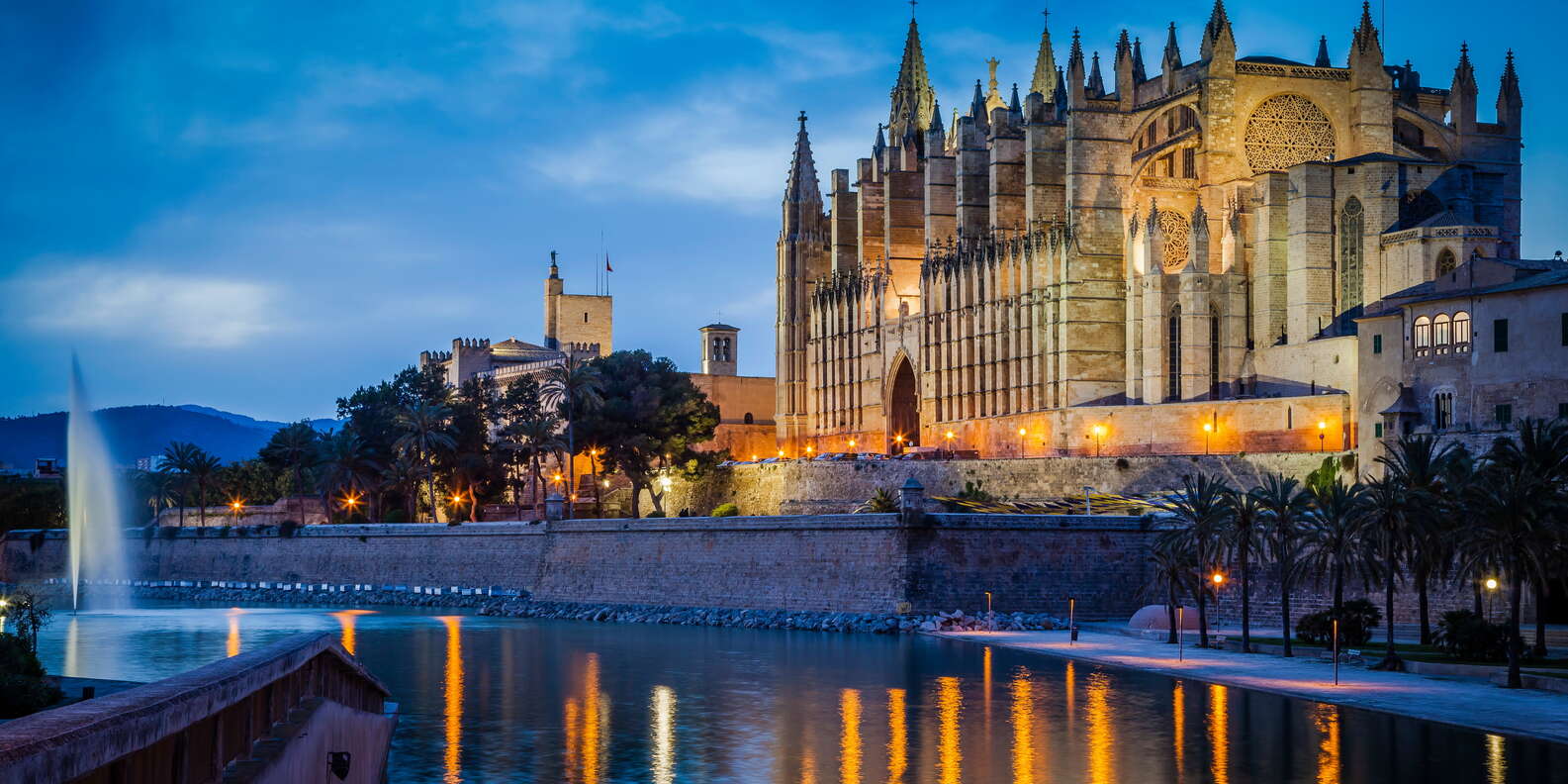
I’ll be blunt with you. You won’t be able to see everything worth seeing in Palma in just a day or two, it’s just not doable. However, you can enjoy most of the major tourist attractions such as the cathedral, the Bellver, the Almudaina, as well as the enchanting city center and all of its facets. I recommend that you start your trip with a hop-on hop-off bus. It will circuit the city center and give you a good introduction to the city.
Below I have gathered some of my favorite sights in Palma.
IMAGE GALLERY
Enjoy some beautiful pictures from Palma.
Book your trip
FAQ
It takes just 10 minutes to drive from the Sant Joan International airport to the cathedral near the city center of Palma.
As with any capital city, Palma can be visited all year round. During the high summer season (June – September), the city can be extra crowded and hot.
Yes, Palma is very safe to visit. You should, however, always be cautious and keep your personal items hidden and close to your body at all times.
Expect to pay somewhere around €100 per night during low season and €150 per night during high season.
Annual Events in Palma
Daily and weekly markets in Palma
Mercat Artesanal
Every day in Placa Major in central Palma, the artesian market is held. Here you will find crafts such as wickerwork, leather goods and traditional clay products from Mallorca. The artesian market is open every day from 10 a.m to about 1-2 p.m.
Mercat de Santa Catalina
You have probably heard that Santa Catalina has grown popular in the recent years. Due to the rising interest in this area it now has a quite extensive market, which is held every day between 7 a.m and 2 p.m. The market in Santa Catalina offers a wealth of fresh fruits, vegetables, meats, cheeses and crafts. You will find the market on Placa Navegacio.
Llotja del Peix
Palma’s daily fish market held on the harbour of Moll de Pescadors. The fish market starts when the fishing boats returns from a night on the sea about 6 a.m. If you like fish and you are renting your own flat or house close to Palma, do try this.
Mercat Olivar
Mercat Olivar is the biggest food market in Palma. It is held in the big market building on Placa Olivar about 5 minutes from Placa d’Espanya. The market is held every day from 8 a.m and closes around 2 o’clock in the afternoon. Let your senses be seduced as you browse and sample the fresh local produce from the Mallorcan countryside.
Rastro Market
Every Saturday morning, on the street of Avinguda Gabriel Alomar i Villalonga, you will find the flea market in Palma. The market starts in the morning around 8 o’clock.
Night market of Sa Bimbolla
From the end of June til the end of September, go visit the night market of Sa Bimbolla, held in an old warehouse in the northern part of Palma. Sa Bimbolla is as much a market as it is a fair, a night of joy and entertainment, which begins at 6 p.m and continues to 2 a.m. Sa Bimbolla is held every Sunday in Gremi Velluters 14. Poligon Son Rossinyol.
January
Sant Sebastiá
On January 20th, Palma celebrates the patron saint of the city, Sant Sebastiá (Saint Sebastian). The festivities takes place over two weeks, in which fun and cultural activities will take place all over the capital, including the popular holiday area of Ca’n Pastilla. Among some of the best things from a touristic point of view, are the many concerts held during the two weeks. Moreover, the dancing devils and fire runs are extremely audience-friendly.
Support Local
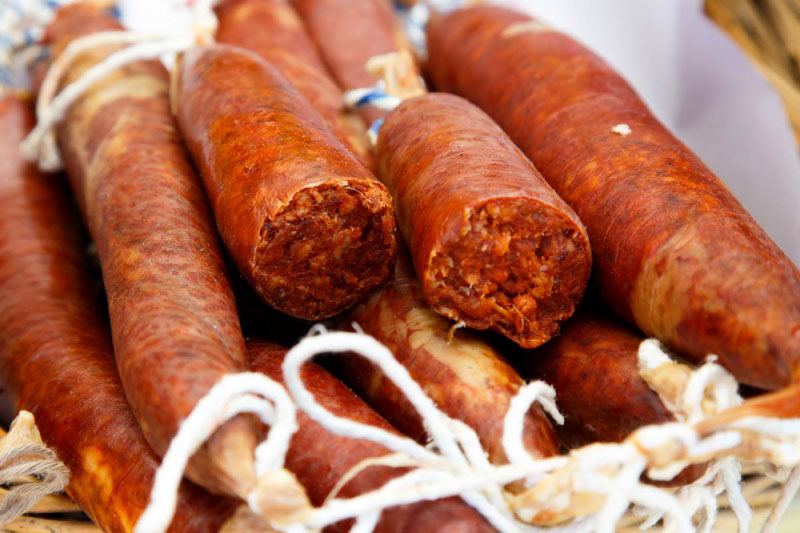
Supporting local communities during your travels can have a profound impact. Stock up with groceries locally, stop in an artisan shop or enjoy a refreshment at a restaurant or bar. Now more than ever, these small businesses need support from travelers near and far.
The history of Palma de Mallorca
Get to know Palma and its history
Palma is the capital city of Mallorca and the seat of the Balearic government. Palma is also the the name of the region in which the municipality is located, one of the six regions of Mallorca.
The entire region covers a surface of 20,855.73 hectares and comprise 416.065 inhabitants (2019).
History of Palma
Unlike many other villages and towns in Mallorca, there is no documented evidence of prehistoric activity or Talayotic culture in the area of the current city of Palma. Some archaeologists have suggested that the original location of Palma should have been somewhere else, however, this theory has later been rejected based on the evidence found in the city.
The Roman city
In spring 123 BC, Roman consul and general, Quint Cecili Metel, set sails from the Iberian peninsula with 3,000 men ready to initiate a military campaign to conquer Mallorca.
The true purpose of the campaign is still uncertain, however, there are several very likely suggestions, which, when added together gives us a better idea of the incentive. The first suggestion, is that Metel at the time of the conquest had no remarkable military achievements behind him and a conquest of new territory to add to the Roman empire would affect his legacy. The centuries of wars against the Punes and encounters with Mallorcan tribes, made it an obvious goal to prove his worth as a strategic. The second theory would be the to include the Mallorcan Slingers (warriors) in the Roman army. The Slingers had caused great damages to the Roman army during the Punic Wars and therefore their strength and scourges had become renown and feared all over the Mediterranean region. The third and most emphasized theory, is that the Romans wanted to put a stop to all Phoenician trade in the Mediterranean region. Moreover, the Romans wanted to make use of the naval routes to connect the empire, as the travel between Italy and the Iberian peninsula was difficult and took much time.
Metel knew what his was up against, he knew that the Mallorcan tribes has allied themselves with pirates that would defend the island at sea, as well as he knew that the projectiles of the Slingers could cause his ships to sink. A stroke of genius from him, was to tighten leather around the ships to form some kind of shield to protect against the shots fired at them thus being able to land on the shores. After defeating the pirates and opposition at the shores, a long arduous quest begun to find the indigenous inhabitants and communities located all over the island. The indigenous people had retrenched themselves in fortified structures built during the Talayotic period, however, to a trained and professional Roman army they were no match.
Practical Info
Useful Numbers
Emergency: 112
National police: 091
Local police: 092
Guarda civil: 062
Fire: 080
Maritime emergencies: 900 202 202
Town Hall: +34 971 225 900
Public Transport
Palma has its own bus system called ‘EMT’. The buses work impeccably in Palma and cost approx. € 1.5 per tour.
Power Supply
220V